S
Sharon
Google reviewGreat guy! Nick was the most helpful in my first home buying experience. Very reliable and personable. Highly recommend.
Read Google reviews
Reverse mortgages in Ottawa
I am Nick Bachusky, a licensed Mortgage Agent in Ottawa. If you are weighing a reverse mortgage, I will give it to you straight, what it is, when it makes sense, and when it does not.
The short answer
A reverse mortgage lets a Canadian homeowner aged 55 or older turn part of the equity in their Ottawa home into tax-free cash, with no monthly payments required, while keeping ownership and continuing to live there. You repay it later, usually when the home is sold or the last owner moves out or passes away. My job is to help you decide if it genuinely fits, or if something else serves you better.
The Ottawa 55+ reality
Plenty of people I meet bought their Ottawa home decades ago and have watched its value climb. The wealth is in the house, not the bank account. Meanwhile the income is fixed, from a pension, CPP, OAS and GIS, while property taxes and the cost of living keep rising.
Most of them do not want to sell. They want to stay in their own neighbourhood, near family, their doctor and the community they built, whether that is Nepean, Kanata, Orléans or the Glebe. A reverse mortgage is one way to free up some of that home equity without a monthly payment and without leaving.
Here is the honest part. When you search this online, most of what comes back is salespeople. That is exactly why I keep this page plain. No hype, no pressure, just what I would tell my own parents.
The basics
A reverse mortgage is a loan secured against a home you own and live in, available to homeowners 55 and older. Instead of you paying the lender each month, the interest is added to the balance and the whole amount is repaid later, when you sell, move out for good, or pass away. Some homeowners know it as home equity release.
The key difference from a regular mortgage: there is no required monthly payment for as long as you live in the home. You keep the title. You keep living there. The trade-off is that the balance grows over time, and I will be upfront with you about what that means.
Step by step
The process is straightforward once you know the pieces:
We talk first. You tell me your situation and your goal. I tell you honestly whether a reverse mortgage is even the right tool, or whether a refinance, a line of credit or downsizing would serve you better.
The home is appraised to establish its current market value.
The lender confirms how much you can access, based on your age, the home and its value.
You get independent legal advice from your own lawyer before anything is signed.
Any existing mortgage is paid off first from the proceeds. The rest is yours, tax-free, as a lump sum, as planned advances, or a mix.
You make no monthly payments. Interest is added to the balance, and the loan is repaid when you sell, move out or pass away.
You, and any spouse on title, are 55 or older, with no upper age limit
The home is your primary residence, lived in at least six months a year
The home is in Ontario and appraised at roughly $250,000 or more
Most property types work: detached, semi, townhouse and many condos
If your credit sits below a certain level, the lender may ask for proof of income
How much can you borrow?
You can access up to about 55% of your home’s appraised value. The older you are, the higher the percentage you may qualify for. The first advance usually starts around $25,000.
As of mid-2026, a reverse mortgage rate is typically higher than what you would pay on a regular mortgage, though it can still work out more favourable than an unsecured loan or a second mortgage, depending on your situation. The exact number moves with the lender, the term and the product, so I will walk you through the current numbers when we talk rather than post a figure here that is already out of date by the time you read it.
Uses of funds
The cash is yours to use as you see fit. The most common reasons I see:
Top up a fixed retirement income so the month is not a squeeze
Pay off an existing mortgage and remove that monthly payment
Renovate or make the home more accessible so you can age in place
Help children or grandchildren with a down payment or education
Cover healthcare or in-home care costs
Consolidate higher-interest debt like credit cards
If you are 55 or older and also separating from a spouse, a reverse mortgage can sometimes be part of a plan to buy out the other partner and stay in the home. That is a bigger conversation, and I cover it on my divorce and separation mortgage page.

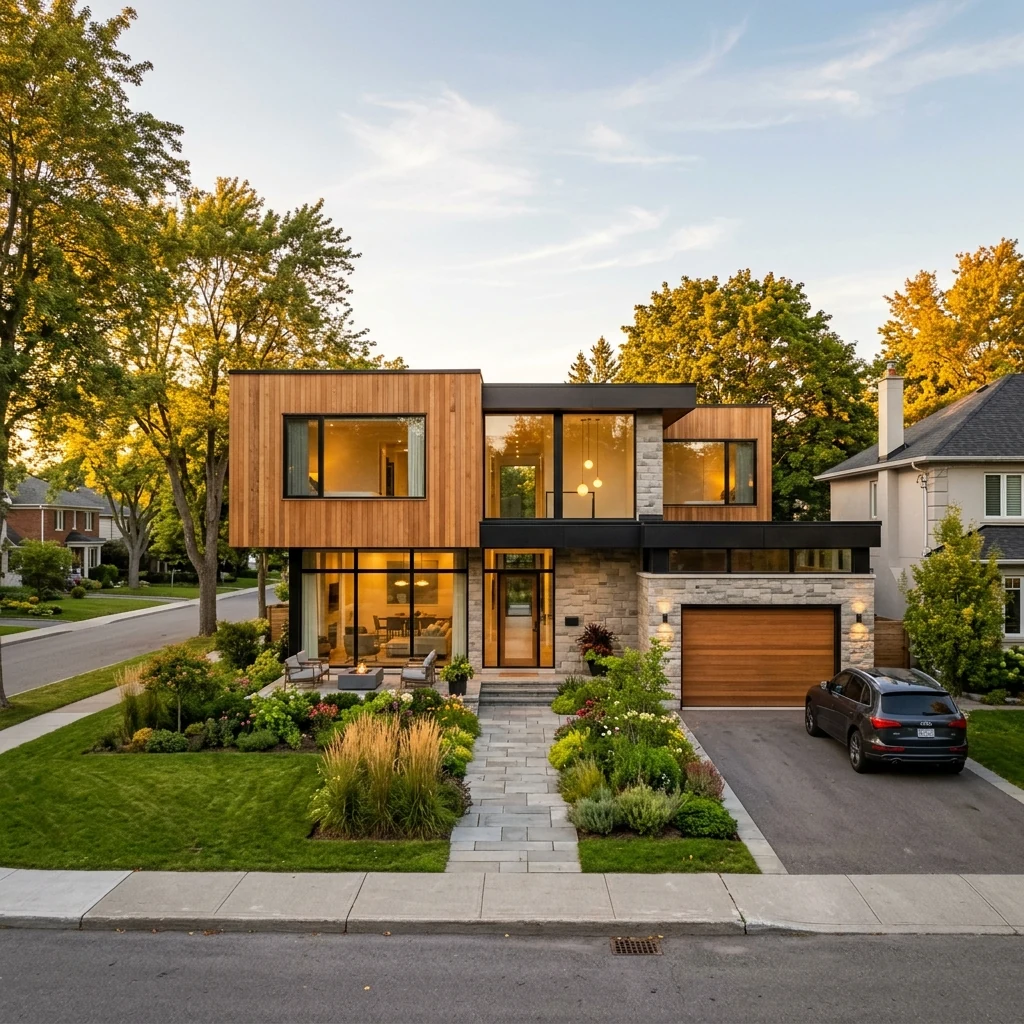
Staying in the home you built a life in, with the family close by.
The straight version
Most reverse mortgage pages only list the benefits. That is not useful, and it is why so many people distrust them. Here is the balanced view.
Where a reverse mortgage helps
The real trade-offs
That first trade-off is the one families worry about most: the interest eating into the inheritance. It is a fair worry, and I will run the actual numbers with you so nobody is guessing.
Compare your options
There is no single right answer. It depends on your income, how long you plan to stay, and what matters most to you.
| Reverse mortgage | Line of credit (HELOC) | Selling and downsizing | |
|---|---|---|---|
| Monthly payments | None required | Interest payments required | No loan, you cash out |
| Who qualifies | Homeowners 55+, no income test | Needs enough income to qualify | Anyone ready to sell |
| Keep the home? | Yes, you stay | Yes | No, you move |
| Suits | House rich, cash poor, want to stay put | Short-term needs, can make payments | Ready to move, want the most cash now |
Reverse mortgage
Monthly paymentsNone required
Who qualifiesHomeowners 55+, no income test
Keep the home?Yes, you stay
SuitsHouse rich, cash poor, want to stay put
Line of credit (HELOC)
Monthly paymentsInterest payments required
Who qualifiesNeeds enough income to qualify
Keep the home?Yes
SuitsShort-term needs, can make payments
Selling and downsizing
Monthly paymentsNo loan, you cash out
Who qualifiesAnyone ready to sell
Keep the home?No, you move
SuitsReady to move, want the most cash now
A line of credit usually costs less, but it needs income to qualify and it requires monthly payments. Selling nets you the most cash and avoids compounding interest, but it forces a move that many people at this stage simply do not want. I explain the line-of-credit and refinance routes in full on my refinance page so you can see the whole picture side by side.
How I make sure it is done right
A lot of the fear around reverse mortgages comes from not knowing the safeguards. Here is what actually protects you:
You keep ownership. The lender registers a mortgage on the title, exactly like a normal mortgage. The bank does not own your home and cannot take it while you meet the basic conditions.
No Negative Equity Guarantee. As long as you keep up property taxes, insurance and upkeep, the amount owed will not exceed the home’s fair market value. HomeEquity Bank states that 99% of its clients still have equity left in the home after the loan is repaid.
Independent legal advice is required by law. Every reverse mortgage in Canada needs you to sit down with your own lawyer first. I can point you to Ottawa real-estate lawyers who have done these files. It is protection for you, not red tape.
A reverse mortgage in Canada comes from only two lenders, HomeEquity Bank, through its CHIP Reverse Mortgage, and Equitable Bank. HomeEquity Bank has been at this for more than 35 years and has been a Schedule I bank since 2009. I am not tied to one product. My value is comparing whether a reverse mortgage fits at all, and if so which one, against a refinance or downsizing.

An honest gut check
Sometimes yes, sometimes no. That is not a dodge, it is the truth.
A good number of the people I talk to are adult children researching this for a parent. That is exactly the right instinct. Bring your questions, sit in on the call, and I will walk both of you through the numbers and the trade-offs honestly.
Working with me
I am licensed in Ontario, so I can help with Ottawa and Ontario homes. I cannot arrange a reverse mortgage on a Gatineau or Quebec property, but if that is you, I will happily point you toward someone who can.
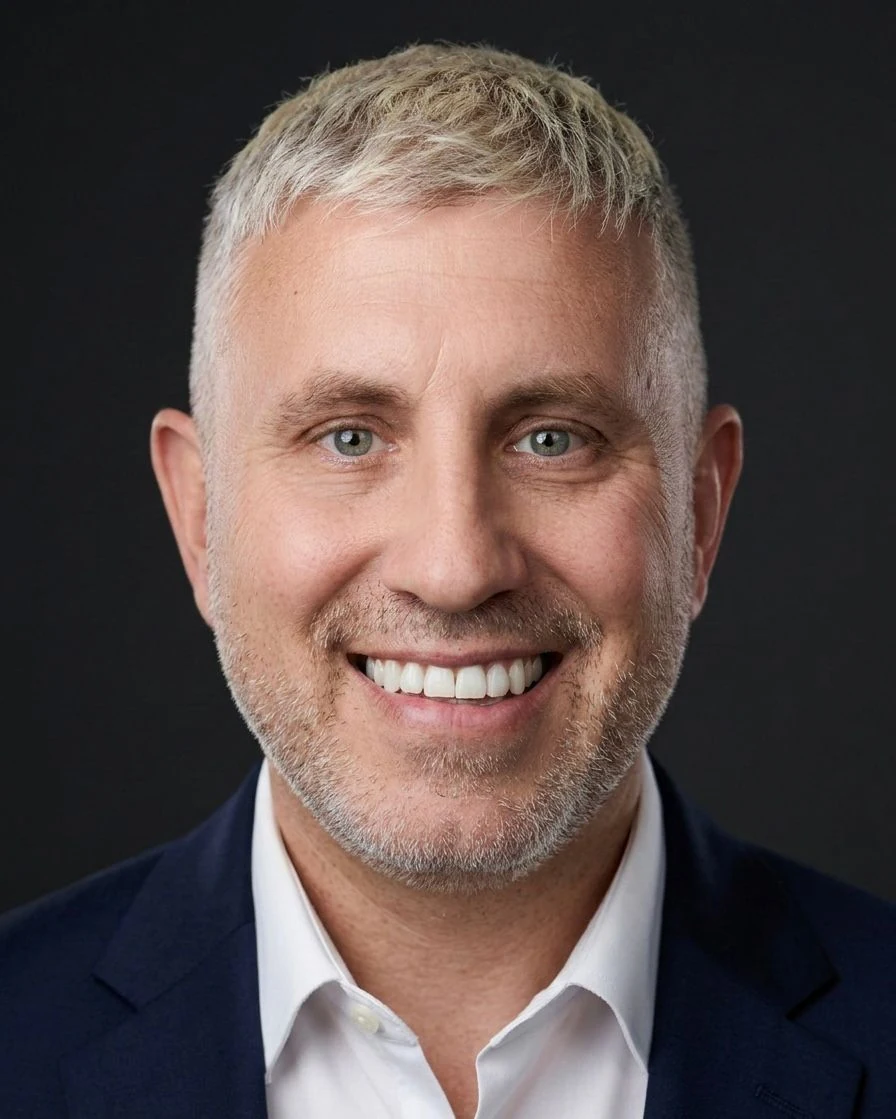
I am Nick Bachusky, a licensed Mortgage Agent working under Referral Mortgages Inc. I help Ottawa homeowners compare reverse mortgage options and understand how interest affects their remaining equity. You deal with me directly, from the first call to the day it funds. There is no fee for my service on a standard residential reverse mortgage.
I will never push you into this. If a reverse mortgage is right, I will set it up properly and make sure your lawyer and family are in the loop. If it is not, I will tell you that plainly and point you to the option that is. You can see everything else I help with on my mortgage services page, or read a bit more about how I work.
Nick Bachusky, Mortgage Agent Level 1, Referral Mortgages Inc., FSRA brokerage licence #13316.
More ways I can help
One agent for the whole picture. Whatever stage you are at, here is where to go next.
4.9 stars from 64 Google reviews left by clients I have worked with across Ottawa.
Get in touch
Getting a mortgage does not need to be stressful. Leave your details and I reply within about 30 minutes during business hours.
Common questions
No. You keep the title and full ownership of your home. The lender simply registers a mortgage against the title, the same way a regular mortgage works. You continue to live there and make the decisions. The bank cannot take ownership as long as you meet the basic conditions, such as keeping property taxes and insurance current and maintaining the home.
Not as long as you keep up your property taxes and insurance, maintain the home, and live in it as your primary residence. A reverse mortgage is designed as a lifetime product, and the loan is not called in just because the home’s value drops. Meeting those simple conditions is what keeps you securely in your home.
No, thanks to the No Negative Equity Guarantee, when the conditions are met. It means the amount you owe on the repayment date will not exceed the fair market value of the home. HomeEquity Bank reports that 99% of its clients still have equity remaining after the loan is repaid. Your estate is not left with a bill larger than the house.
The loan becomes due and is repaid, usually from selling the home. That happens when you sell, roughly a year after the last borrower moves into long-term care, or about 180 days after the last borrower passes away. If your spouse is on the title, they can stay in the home with no repayment required. Any equity left over goes to your estate.
Yes, the money you receive is tax-free, and it does not affect your Old Age Security or Guaranteed Income Supplement. Because it is borrowed money rather than income, it is not taxed and does not count against income-tested benefits. I still suggest confirming your own situation with your accountant, since everyone’s tax picture is a little different.
No. There are no required monthly principal or interest payments for as long as the home is your primary residence. The interest is added to the balance instead, and the full amount is repaid later when the home is sold or you move out or pass away. That freedom from a monthly payment is the main reason people choose it.
Up to about 55% of your home’s appraised value. The exact amount depends on your age, the home and its location and type. The older you are, the higher the percentage you may qualify for. The first advance usually starts around $25,000. I can get you a real figure for your specific home rather than a generic estimate.
The scary stories usually come down to one of two things: a genuinely bad deal at an abnormal interest rate, or missed property taxes that piled up over years. A legitimate Canadian reverse mortgage from HomeEquity Bank or Equitable Bank is fully legal and regulated, and it requires independent legal advice before it funds. If a rate or a lender looks wildly out of line, that is your signal to stop and call me.
Yes. I can arrange a CHIP Reverse Mortgage in Ottawa through HomeEquity Bank, as well as the Equitable Bank option, and help you compare which one, if either, actually fits your situation. As a licensed Mortgage Agent I am not tied to a single lender, so the recommendation is based on your goals, not on selling one product.
Let us talk it through
A reverse mortgage is a big decision, and it is not right for everyone. So let us not rush it. Book a call or send me a message on WhatsApp, and we will go through your situation honestly, with no sales pitch. If it fits, I will set it up properly. If it does not, I will tell you that too, and point you to what does.
Still deciding, or have a question that is not answered above? Get in touch here and I will reply personally.
Nick Bachusky, Mortgage Agent Level 1, Referral Mortgages Inc., FSRA brokerage licence #13316. Rate and figures on this page are dated, illustrative examples (as of mid-2026), not quotes or promises.